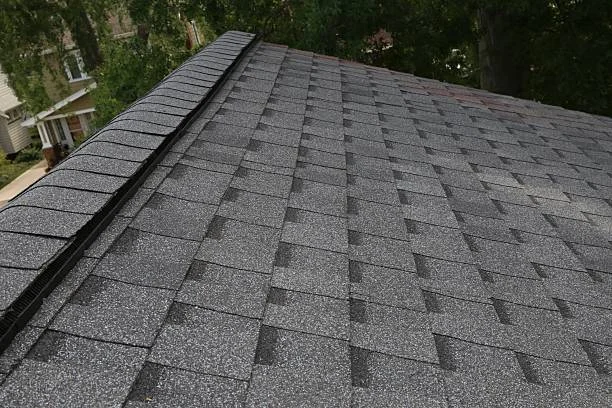
A leaking roof is one of the most stressful issues a homeowner can face. What may start as a small damp patch on the ceiling can quickly turn into damaged plaster, mould growth, rotting timbers, and expensive structural repairs if left untreated.
If you’re asking how to repair a roof leak, you’re not alone. Roof leaks are one of the most common problems we see at Taylor Roofing, especially in older properties across the midlands.
This guide explains how roof leaks happen, how to identify the source, what repairs may be involved, and when it’s best to call in a professional roofer.
Why Roof Leaks Happen
Roof leaks are rarely caused by one single factor. Most develop over time due to wear, weather exposure, or poor installation. In the UK, roofs are constantly exposed to rain, wind, frost, and seasonal temperature changes — all of which take their toll.
Common causes of roof leaks include:
- Cracked, slipped, or missing roof tiles
- Damaged or deteriorated flashing
- Blocked or overflowing gutters
- Broken ridge tiles or failing mortar
- Flat roof splits or blistering
- Chimney defects
- Poor roof ventilation leading to condensation
Understanding the cause is the first step in repairing a roof leak properly.
Signs You Have a Roof Leak
Not all roof leaks are immediately obvious. Some develop slowly and only show signs once damage has already begun.
Look out for the following warning signs:
- Water stains on ceilings or walls
- Damp patches or bubbling paint
- Dripping water during or after rainfall
- Mould or mildew in loft spaces
- A musty smell indoors
- Visible daylight through the roof in your loft
If you notice any of these, it’s important to act quickly to prevent further damage.
Step 1: Locate the Source of the Leak
One of the most challenging parts of repairing a roof leak is identifying where the water is actually entering. Water can travel along timbers and roof coverings, meaning the visible damage inside your home may not line up with the external problem.
Check Inside the Loft
Start by inspecting your loft or roof space during daylight:
- Look for water stains on rafters or felt
- Check for damp insulation
- Follow any visible water trails upward
If safe to do so, this can give a good indication of the leak’s origin.
Inspect the Roof Externally
From ground level or using binoculars, look for:
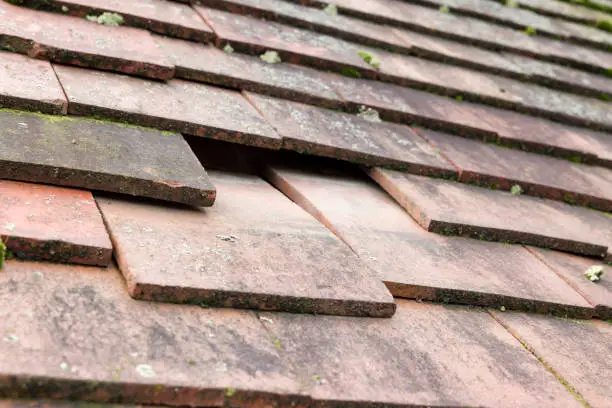
- Missing or cracked tiles
- Damaged ridge tiles
- Loose lead flashing
- Debris buildup in valleys or gutters
Never climb onto your roof unless you have the proper equipment and experience. Roof inspections can be dangerous and are best left to professionals.
Step 2: Temporary Measures to Limit Damage
If you can’t arrange immediate repairs, temporary steps can help reduce damage until a professional arrives.
Temporary actions may include:
- Placing a bucket under active drips
- Using plastic sheeting in the loft to divert water
- Clearing blocked gutters (from ground level if possible)
These are short-term solutions only and should never replace proper roof repairs.
Step 3: How to Repair a Roof Leak Based on the Cause
The correct repair depends entirely on what’s causing the leak. Below are the most common roof leak repairs we carry out.
Repairing Broken or Missing Roof Tiles
Cracked or slipped tiles are one of the most common causes of roof leaks.
Repair method:
- Remove damaged tiles
- Inspect the battens and underfelt
- Replace with matching tiles
- Secure properly to prevent future movement
Replacing individual tiles is often a straightforward repair when caught early.
Fixing Damaged Flashing
Flashing is the metal material used around chimneys, valleys, skylights, and roof joints. Over time, it can crack, lift, or corrode.
Repair method:
- Reseating or replacing lead flashing
- Repointing flashing where mortar has failed
- Ensuring a watertight seal
Poor flashing is a major cause of persistent roof leaks.
Repairing Flat Roof Leaks
Flat roofs are particularly vulnerable due to standing water and ageing materials.
Common flat roof issues:
- Splits or tears in felt
- Blistering or bubbling
- Failed joints or edges
Repair method:
- Patch repairs for small damage
- Re-sealing joints
- Partial or full replacement if deterioration is widespread
Regular flat roof inspections are essential for preventing leaks.
Clearing and Repairing Gutters
Blocked or damaged gutters can force water back onto the roof or into the property.
Repair method:
- Clearing moss and debris
- Repairing joints or brackets
- Ensuring correct fall and drainage
This is often overlooked but plays a major role in roof leak prevention.
Ridge Tile and Mortar Repairs
Loose ridge tiles or crumbling mortar allow water to penetrate the roof structure.
Repair method:
- Repointing ridge tiles
- Re-bedding tiles if necessary
- Checking surrounding tiles for damage
Modern dry ridge systems also offer long-term protection.
Step 4: Check for Hidden Damage
Even after the leak is fixed, internal damage may still exist.
Professional roofers will also check for:
- Rotting roof timbers
- Damaged insulation
- Compromised roof felt
- Mould or condensation issues
Addressing these early prevents future structural problems.
Can You Repair a Roof Leak Yourself?
Minor issues, such as clearing gutters or replacing a single slipped tile, may be manageable for experienced DIYers. However, most roof leak repairs require:
- Working at height
- Specialist tools
- Knowledge of roofing systems
Incorrect repairs can make the problem worse — and more expensive — in the long run.
If in doubt, it’s always safer and more cost-effective to call a professional roofing company.
Preventing Future Roof Leaks
Prevention is always better than repair. Regular maintenance can extend your roof’s lifespan and help avoid unexpected leaks.
We recommend:
- Annual roof inspections
- Clearing gutters at least once a year
- Replacing damaged tiles promptly
- Checking flashing and ridge tiles
- Addressing small issues before winter
At Taylor Roofing, many of the serious leaks we repair could have been prevented with routine maintenance.
Roof Leak Repairs in the midlands
Properties in the midlands face frequent rainfall and seasonal weather changes. Older tiled roofs, in particular, are prone to leaks if not properly maintained.
Local experience matters — understanding how regional weather affects roofing materials helps identify and fix problems quickly and effectively.
How to Repair a Roof Leak Properly
Repairing a roof leak isn’t just about stopping water — it’s about protecting your home’s structure, insulation, and long-term value.
While temporary fixes may help in the short term, professional repairs ensure the problem is fully resolved, preventing further damage and unnecessary costs.
Get Expert Roof Leak Repairs from Taylor Roofing
If you’ve noticed signs of a roof leak or want peace of mind before the next spell of bad weather, Taylor Roofing is here to help.
Based in Higham Ferrers, we provide reliable roof leak detection, repairs, and ongoing roofing maintenance across the midlands. Our experienced team offers honest advice, high-quality workmanship, and tailored solutions to keep your roof watertight all year round.
Contact Taylor Roofing today to arrange a roof inspection or learn how our professional roofing and maintenance services can protect your home and save you money in the long run.