Keeping a roof clean is one of the most overlooked parts of home maintenance. Many homeowners only think about their roof when something goes wrong, such as a leak or visible damage. In reality, regular roof cleaning plays a big role in protecting your home, maintaining its appearance, and extending the life of your roofing materials.
If you have noticed moss, algae, dirt, or debris building up, you may be wondering how to clean a roof properly and safely. This guide explains everything you need to know, from why roof cleaning matters to the safest methods and when it is best to call professionals.
At Taylorrm Roofing, we help homeowners across Irthlingborough keep their roofs in top condition. With the right knowledge and approach, roof cleaning can prevent costly repairs and help your property look its best all year round.
Why Cleaning Your Roof Matters
Your roof is constantly exposed to the elements. Rain, wind, falling leaves, and pollution all contribute to the build-up of grime over time. Moss and algae are especially common across the UK, thanks to damp weather and shaded areas.
Here is why regular cleaning is important:
Prevents damage
Moss and algae hold moisture. Over time, this can cause roof tiles to weaken, crack, or lift.
Improves drainage
Debris can block gutters and downpipes, leading to water overflow and potential structural damage.
Extends roof lifespan
A well-maintained roof lasts much longer than one that is neglected.
Boosts kerb appeal
A clean roof makes a noticeable difference to how your home looks from the outside.
Helps spot problems early
Cleaning gives you the chance to notice loose tiles, cracks, or worn areas before they become serious.
Common Types of Roof Build-Up
Before learning how to clean a roof, it helps to understand what you are dealing with. Different types of build-up may require different cleaning methods.
Moss
Moss thrives in damp, shaded conditions. It grows between tiles and can force them apart as it spreads.
Algae
Often seen as dark streaks or stains, algae can spread quickly across roof surfaces.
Lichen
This appears as crusty patches and can be harder to remove than moss.
Leaves and debris
These collect in roof valleys and gutters, holding moisture and increasing the risk of rot.
Safety Comes First
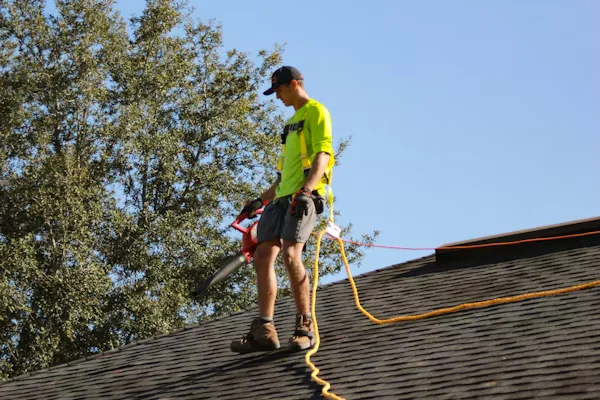
Cleaning a roof can be risky. Slippery surfaces, steep angles, and working at height all present dangers. If you are considering doing it yourself, always put safety first.
Important safety tips include:
- Use a sturdy ladder placed on stable ground
- Wear non-slip footwear
- Avoid working in wet or windy conditions
- Never walk directly on fragile or damaged tiles
- Consider using safety harness equipment
For many homeowners, the safest option is to hire a professional roofing company. Experienced teams have the right tools and training to work safely and efficiently.
How to Clean a Roof: Step-by-Step Methods
There are several methods used to clean roofs. The right one depends on the type of roofing material, the amount of build-up, and the condition of the roof.
1. Manual Moss Removal
This is one of the most common approaches, especially for tiled roofs.
How it works:
Moss is carefully scraped off using specialist tools. This is done gently to avoid damaging the tiles.
Benefits:
- Safe for most roofing materials
- Effective at removing large moss build-ups
- Allows close inspection of the roof
Things to watch:
Improper scraping can crack or dislodge tiles. Care and experience are important.
2. Soft Washing
Soft washing uses low-pressure water combined with cleaning solutions to remove moss, algae, and dirt.
How it works:
A treatment is applied to kill moss and algae. This helps prevent regrowth and gradually cleans the roof surface.
Benefits:
- Gentle on tiles
- Helps stop moss returning
- Provides longer-lasting results
Things to watch:
The cleaning solution must be used carefully to protect surrounding plants and surfaces.
3. Pressure Washing (With Caution)
Pressure washing can remove dirt and moss quickly, but it is not suitable for all roofs.
How it works:
High-pressure water is used to clean the surface of the roof.
Benefits:
- Fast and effective for certain roof types
- Removes stubborn dirt and stains
Things to watch:
Pressure washing can damage tiles, remove protective coatings, and force water under roofing materials if done incorrectly. It should only be carried out by experienced professionals.
4. Applying Moss Prevention Treatments
Once the roof is clean, treatments can be applied to slow down moss and algae growth.
Benefits:
- Helps keep the roof cleaner for longer
- Reduces the need for frequent cleaning
- Protects roofing materials
How Often Should You Clean Your Roof?
There is no single answer, as it depends on location and environment. In the UK, a roof generally benefits from cleaning every few years.
You may need more frequent cleaning if:
- Your home is surrounded by trees
- Your roof is shaded for most of the day
- Moss grows quickly in your area
- You notice blocked gutters regularly
A quick visual check once or twice a year can help you spot early signs of build-up.
Signs Your Roof Needs Cleaning
Not sure if it is time to clean your roof? Look out for these common warning signs:
- Green moss growing between tiles
- Dark streaks or stains
- Debris collecting in roof valleys
- Overflowing gutters
- Tiles starting to lift or shift
Addressing these issues early can prevent more serious problems later.
DIY vs Professional Roof Cleaning
Some homeowners prefer to clean their roofs themselves. While this can be possible for light debris, professional cleaning offers several advantages.
DIY cleaning may work for:
- Removing leaves from gutters
- Light moss on easy-to-reach areas
Professional cleaning is better for:
- Heavy moss build-up
- Steep roofs
- Delicate or older roofing materials
- Long-term moss prevention treatments
A professional roofer can also identify hidden issues that might go unnoticed during a DIY clean.
Protecting Your Roof After Cleaning
Once your roof has been cleaned, there are simple steps you can take to keep it in good condition.
Keep gutters clear
Blocked gutters lead to water build-up, which encourages moss growth.
Trim overhanging branches
Reducing shade and falling leaves helps prevent moisture and debris build-up.
Schedule regular inspections
Small issues are much easier to fix when caught early.
Consider protective treatments
These can slow moss growth and keep your roof looking cleaner for longer.
The Long-Term Benefits of a Clean Roof
Roof cleaning is not just about appearance. It is about protecting your home and saving money over time.
Regular maintenance can:
- Prevent expensive repairs
- Reduce the risk of leaks
- Improve property value
- Extend the life of your roof
When combined with routine inspections, cleaning becomes an essential part of caring for your home.
Why Local Expertise Matters
Roof types, weather conditions, and environmental factors vary across the UK. What works for one property may not suit another.
A local roofing specialist understands the common issues faced by homes in the midlands area. From moss growth caused by damp conditions to debris build-up from nearby trees, having experienced professionals assess your roof makes a real difference.
Professional Roof Cleaning You Can Trust
While learning how to clean a roof is helpful, the safest and most effective results usually come from expert care. Working at height carries risks, and using the wrong method can damage your tiles and lead to costly repairs.
At Taylorrm Roofing, we provide reliable roof maintenance services tailored to your property. Our team uses safe, proven techniques to protect the structure and appearance of your roof. We also check for early signs of damage, helping you avoid bigger problems down the line.
If your roof is looking worn, covered in moss, or simply overdue for maintenance, now is the perfect time to take action. Get in touch with Taylorrm Roofing to learn more about our professional roof cleaning services in Irthlingborough and discover how we can help protect and improve your home for years to come.