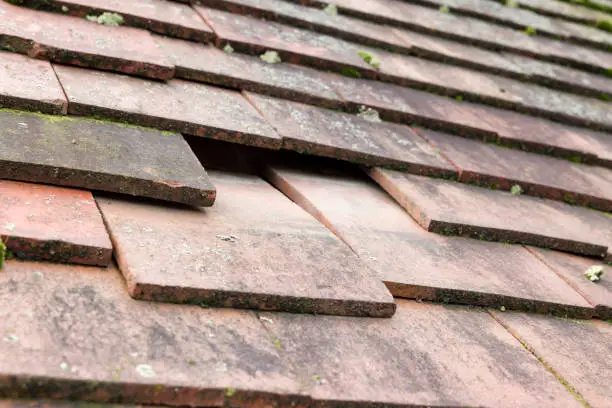
Your roof is one of the most important parts of your home, yet it’s often one of the most overlooked — until something goes wrong. Whether you’re a homeowner planning ahead, buying a property, or noticing signs of wear and tear, cracked tiles, one common question comes up time and time again:
How long does a roof last?
The answer isn’t always straightforward. Roof lifespan depends on a range of factors including materials, installation quality, maintenance, and the British weather. In this guide, Taylor Roofing will break down everything you need to know about roof longevity, helping you understand when repairs are enough and when a replacement may be the smarter option.
Average Roof Lifespan in the UK
In the UK, most residential roofs are designed to last between 20 and 100 years, depending on the materials used. However, the actual lifespan often varies due to weather exposure, ventilation, workmanship, and how well the roof is maintained over time.
Here’s a general overview of common roofing materials and how long they typically last in the UK climate:
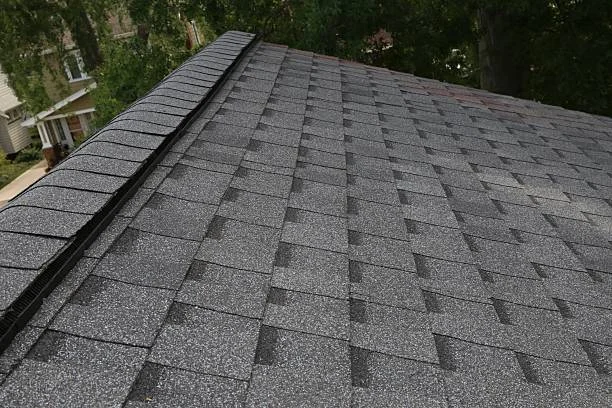
Asphalt & Felt Shingle Roofs (20–30 Years)
These are commonly found on garages, extensions, and some residential properties. They’re affordable and quick to install but don’t offer the longest lifespan.
Pros:
- Cost-effective
- Easy to repair
- Lightweight
Cons:
- Less durable in extreme weather
- Shorter lifespan than tile or slate
With proper maintenance, felt and shingle roofs can reach the upper end of their lifespan, but neglect can shorten it significantly.
Concrete Roof Tiles (40–60 Years)
Concrete tiles are one of the most popular roofing materials in the UK. They’re durable, cost-effective, and well suited to British weather.
Pros:
- Strong and long-lasting
- Resistant to fire and rot
- Lower cost than clay or slate
Cons:
- Can fade over time
- Heavier than other materials
Most concrete tile roofs can last over 50 years with good maintenance, though individual tiles may need replacing along the way.
Clay Roof Tiles (60–100+ Years)
Clay tiles are known for their longevity and classic appearance. Many older UK homes still have original clay tile roofs that have lasted decades.
Pros:
- Extremely durable
- Natural resistance to weather
- Timeless aesthetic
Cons:
- Higher upfront cost
- Brittle if walked on incorrectly
With professional installation and routine inspections, clay tiles can easily last a lifetime.
Slate Roofing (80–120 Years)
Slate is considered one of the longest-lasting roofing materials available. Many slate roofs in the UK are over 100 years old.
Pros:
- Exceptional lifespan
- Premium appearance
- Highly weather-resistant
Cons:
- Expensive
- Requires specialist installation
While slate roofs can last a century or more, fixings and underlay may need replacing earlier.
Metal Roofing (40–70 Years)
Metal roofing is becoming more popular in the UK, particularly for modern homes and agricultural buildings.
Pros:
- Lightweight
- Long lifespan
- Low maintenance
Cons:
- Higher initial cost
- Noise if poorly installed
With proper installation, metal roofs can comfortably last several decades.
Flat Roofs (15–40 Years)
Flat roofs vary widely depending on the material used:
- Felt: 15–25 years
- GRP (Fibreglass): 25–35 years
- EPDM Rubber(Ethylene Propylene Diene Monomer): 30–40 years
Flat roofs require more frequent inspections due to water pooling and drainage issues.
Factors That Affect How Long a Roof Lasts
Even the best roofing materials won’t reach their full lifespan without the right conditions. Here are the biggest factors that influence roof longevity:
1. Installation Quality
A poorly installed roof can fail years or even decades earlier than expected. Correct fitting, secure fixings, and proper ventilation are essential.
2. Weather Exposure
UK roofs face:
- Heavy rain
- Strong winds
- Frost and freeze-thaw cycles
- Moss and algae growth
Homes in exposed areas may experience faster wear.
3. Roof Pitch and Design
Steeper roofs tend to last longer as they shed water more efficiently. Flat and low-pitched roofs are more prone to standing water.
4. Ventilation and Insulation
Poor ventilation can cause moisture buildup in the roof space, leading to rot, mould, and reduced lifespan.
5. Maintenance
Regular maintenance can add 10–20 years to a roof’s life. Small issues fixed early prevent costly damage later.
Signs Your Roof May Be Nearing the End of Its Life
If you’re unsure about the condition of your roof, look out for these warning signs:
- Missing, cracked, or slipped tiles
- Persistent leaks or water stains
- Sagging rooflines
- Excessive moss or algae
- Daylight visible in the loft
- Crumbling mortar or flashing
If your roof is over 25–30 years old and showing multiple signs of wear, it’s time for a professional inspection.
Repair vs Replacement: What’s the Right Choice?
Not every ageing roof needs replacing. Often, targeted repairs and maintenance are enough to extend its life.
Repairs are suitable when:
- Damage is localised
- The roof structure is sound
- The roof is under halfway through its lifespan
Replacement may be necessary when:
- Repairs are frequent and costly
- Structural issues are present
- The roof is nearing the end of its expected lifespan
A professional assessment will help you make the most cost-effective decision.
How Regular Maintenance Extends Roof Lifespan
Routine roof maintenance can significantly increase longevity. This includes:
- Annual roof inspections
- Clearing moss, debris, and gutters
- Replacing broken tiles
- Repointing ridge tiles and chimneys
- Checking flashing and seals
At Taylor Roofing, we often see roofs fail early simply due to neglect — not material failure.
Roof Lifespan in the Midlands
Homes in the surrounding Northamptonshire and the rest of the midland areas experience a mix of rainfall, wind, and seasonal temperature changes. These conditions make routine maintenance especially important, particularly for older tiled and slate roofs.
Local knowledge matters — understanding how regional weather affects roofing materials helps prevent long-term issues.
How Long Should Your Roof Last?
So, how long does a roof last?
The honest answer: as long as it’s properly installed and maintained.
While materials set the baseline lifespan, professional workmanship and regular upkeep are what truly determine how long your roof protects your home.
Let Taylor Roofing Help Protect Your Home
If you’re unsure about the condition of your roof, planning maintenance, or considering repairs or replacement, Taylor Roofing is here to help.
Based in Higham Ferrers, we provide expert roofing and maintenance services across the midlands — from inspections and repairs to full roof replacements. Our experienced team offers honest advice, high-quality workmanship, and solutions tailored to your property and budget.
Get in touch with Taylor Roofing today to book a roof inspection or learn how our professional roofing and maintenance services can extend the life of your roof and protect your home for years to come.