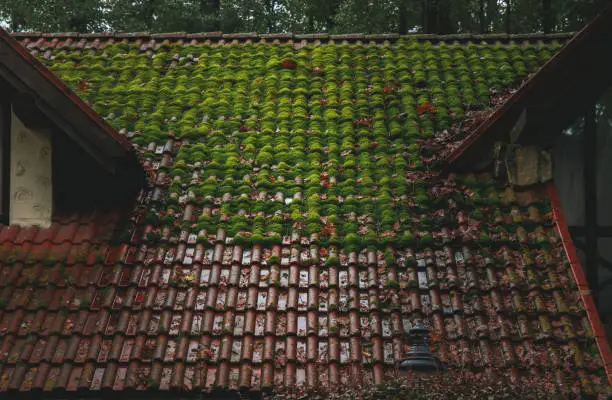
Moss growing on a roof might look harmless at first, even charming in some cases. But over time, it can cause serious damage if left untreated. Moss traps moisture, weakens roofing materials, and can shorten the lifespan of your roof. For many homeowners across the UK, moss growth is a common problem due to the damp climate and shaded conditions that help it thrive.
If you have noticed green patches spreading across your roof, you are not alone. Understanding how to get moss off a roof safely and effectively can protect your home and help you avoid expensive repairs in the future. This guide explains why moss forms, how to remove it properly, and what you can do to prevent it from coming back.
Why Moss Grows on Roofs
Moss thrives in cool, damp environments. Roofs that receive little direct sunlight are especially vulnerable. In the UK, regular rainfall and mild temperatures create the perfect conditions for moss to grow year-round.
You are more likely to see moss on your roof if:
- Your roof is shaded by trees or neighbouring buildings
- There is a build-up of debris like leaves and dirt
- Your roof stays damp for long periods
- The tiles are older or slightly porous
Once moss starts growing, it spreads quickly. It holds moisture against the surface of your roof tiles, which can lead to gradual deterioration.
Why You Should Remove Moss From Your Roof
Many homeowners ignore moss because it seems like a cosmetic issue. In reality, it can cause real damage if left alone.
Here are some of the risks:
1. Tile Damage
Moss absorbs water like a sponge. This moisture can seep into roof tiles, causing them to crack, lift, or weaken over time.
2. Blocked Drainage
Loose moss often falls into gutters and downpipes, creating blockages. This can lead to water overflow and potential structural issues.
3. Increased Damp Problems
Moisture trapped by moss can work its way under tiles and into the roof structure, increasing the risk of leaks and internal damp.
4. Shorter Roof Lifespan
The longer moss sits on your roof, the more strain it puts on materials. Regular removal helps preserve the condition of your roof.
How to Get Moss Off a Roof Safely
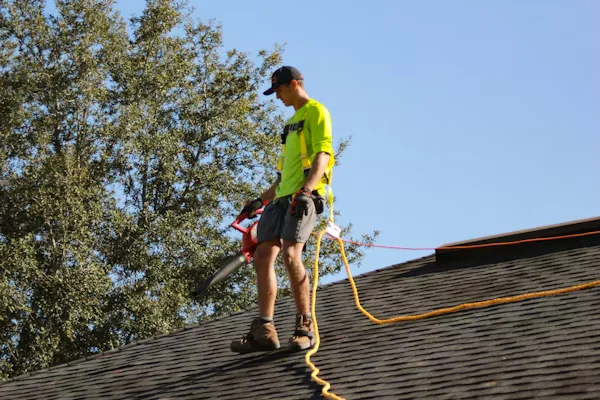
Removing moss is possible with the right approach. However, safety should always come first. Working at height carries risks, and using the wrong techniques can damage your roof.
Here are the most effective methods used by professionals and homeowners alike.
Manual Removal
Manual removal is one of the most common ways to deal with moss. This involves physically brushing the moss off the roof tiles using a soft or medium bristle brush.
Key points to remember:
- Always brush downward in the direction of the tiles
- Avoid harsh scrubbing that could loosen or crack tiles
- Use a sturdy ladder and proper safety equipment
This method works well for light to moderate moss build-up, but it can be time-consuming.
Low-Pressure Washing
Some homeowners use low-pressure water to remove moss. This method helps wash away loose growth without damaging tiles.
Important tips:
- Avoid high-pressure washing as it can strip protective coatings
- Direct water downward, not upwards under the tiles
- Be careful around older or fragile roofs
Pressure washing done incorrectly is one of the fastest ways to cause roof damage. It should always be approached with caution.
Applying Moss Treatment
After removing visible moss, applying a moss treatment solution helps kill any remaining spores. These treatments continue working over time and can prevent regrowth.
Many products are available that:
- Kill moss at the root
- Prevent future growth
- Work gradually without damaging tiles
This step is essential for long-term results. Simply scraping moss away without treatment often leads to it returning quickly.
Should You Remove Moss Yourself?
While it may be tempting to handle moss removal on your own, it is important to consider the risks.
Climbing onto a roof can be dangerous without the proper equipment and experience. There is also a higher chance of damaging tiles or causing leaks if the job is done incorrectly.
DIY removal may be suitable if:
- The moss growth is light
- The roof is easy to access
- You have the right safety gear
However, for larger areas, steep roofs, or older properties, professional help is usually the safest and most effective option.
How Professionals Remove Moss
Roofing specialists use safe, proven techniques to remove moss without causing damage. They also assess the condition of the roof at the same time.
A professional moss removal service often includes:
- Safe access and working equipment
- Gentle brushing or scraping
- Application of biocide treatment
- Gutter clearing after removal
- Inspection for damaged tiles
This approach ensures the roof is cleaned properly while protecting its structure.
Preventing Moss From Coming Back
Once moss has been removed, taking steps to prevent it from returning is just as important.
Here are some practical ways to keep your roof clear:
Trim Overhanging Branches
Trees create shade and drop debris onto roofs, which helps moss grow. Trimming branches allows more sunlight to reach the roof and keeps it drier.
Keep Gutters Clean
Blocked gutters lead to standing water and damp conditions. Regular cleaning helps water drain properly and reduces moss growth.
Install Zinc or Copper Strips
Metal strips placed along the roof ridge release small particles when it rains. These particles help prevent moss from growing on the tiles below.
Regular Roof Inspections
Checking your roof once or twice a year helps spot early signs of moss before it spreads too far.
Signs Moss Is Causing Damage
If moss has been present for a long time, it may already be affecting your roof. Look out for these warning signs:
- Loose or lifted tiles
- Visible cracks in roof materials
- Water stains on ceilings
- Damp smells in the loft
- Blocked gutters filled with moss
If you notice any of these, it is best to have your roof inspected as soon as possible.
How Often Should Moss Be Removed?
The frequency depends on your location, surrounding trees, and roof type. In many parts of the UK, moss can return every few years due to the climate.
As a general guide:
- Light moss growth may need attention every 2 to 3 years
- Heavily shaded roofs may require more frequent checks
- Preventative treatments can extend the time between cleanings
Regular maintenance is far more affordable than repairing long-term damage.
Common Mistakes to Avoid
When dealing with moss, certain mistakes can do more harm than good.
Avoid the following:
- Using high-pressure washers on roof tiles
- Scraping too aggressively
- Walking on fragile areas of the roof
- Ignoring early moss growth
- Skipping preventative treatments
Taking the wrong approach can lead to cracked tiles, leaks, and costly repairs.
Why Moss Is So Common in the UK
The UK’s weather plays a big role in moss growth. Frequent rain, cloud cover, and cooler temperatures create ideal conditions for moss to thrive.
Homes in shaded areas or near trees are especially vulnerable. Even newer roofs can develop moss if moisture stays trapped for long periods.
This makes regular maintenance an important part of protecting your roof.
The Long-Term Benefits of Removing Moss
Taking action early has clear advantages:
- Helps extend the lifespan of your roof
- Reduces the risk of leaks and damp
- Improves the appearance of your home
- Prevents costly repairs in the future
- Maintains property value
Moss removal is not just about appearance. It is a key part of roof care.
When to Call a Roofing Expert
If your roof has heavy moss coverage, visible damage, or is difficult to access, calling a professional is the safest choice.
An experienced roofer can:
- Remove moss safely and effectively
- Protect the condition of your tiles
- Spot issues you may not notice
- Provide treatment to slow regrowth
Professional help gives you peace of mind and ensures the job is done correctly.
Final Thoughts
Learning how to get moss off a roof is an important step in protecting your home. While light moss can sometimes be managed with careful cleaning, larger build-ups require the right tools, techniques, and safety precautions.
Regular maintenance, preventative treatments, and early action can make a big difference. By keeping your roof clear of moss, you help extend its lifespan and avoid unnecessary repairs.
Need Help With Moss Removal? Contact Taylorrm Roofing
If moss is starting to take over your roof, Taylorrm Roofing is here to help. Our experienced team provides safe, effective roof cleaning and moss removal services designed to protect your home and keep your roof in top condition.
We take a careful, professional approach to ensure tiles are not damaged while delivering long-lasting results. Whether your roof needs a full clean, treatment, or a complete inspection, we can guide you on the best solution.
Get in touch with Taylorrm Roofing today to learn more about our roofing services and how we can help keep your roof strong, clean, and protected for years to come.